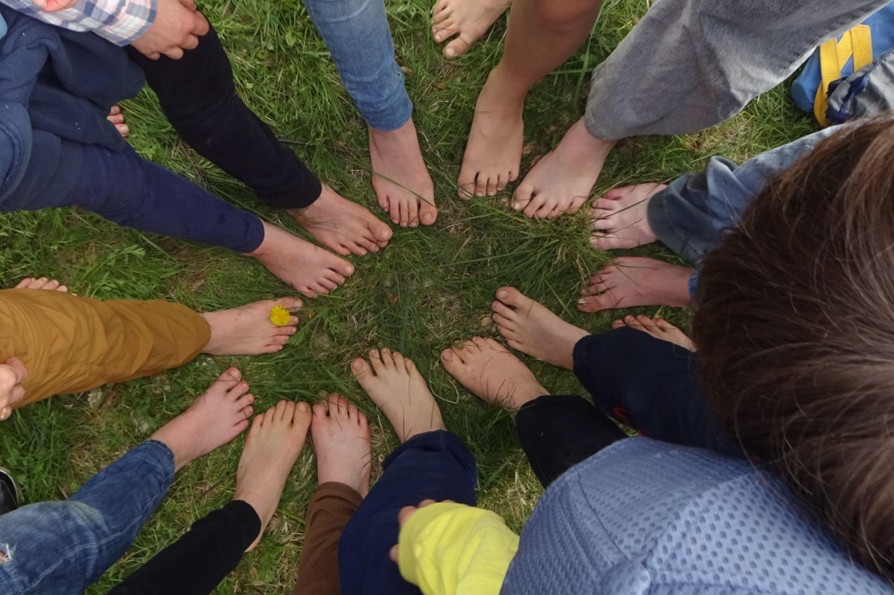
These scenarios have already become a part of our daily lives. They affect very different realities, yet all have an impact on our health.

Now, it’s about adapting to the changing conditions while also preventing any further rise in temperatures. We are not above nature, and when extreme weather events hit, we can often do little but watch. The result is dramatic personal tragedies and enormous economic damage.

We feel our best when we spend time in nature. A walk in the green can help us through stressful times. Time outdoors even helps prevent illness—that’s why we start with children. In collaboration with wilderness educators, we enable Berlin primary school children to take monthly trips to city parks or nearby forests. Outdoor Time stands for a connection with nature, creativity, and equal opportunities. And the kids have an absolute blast!
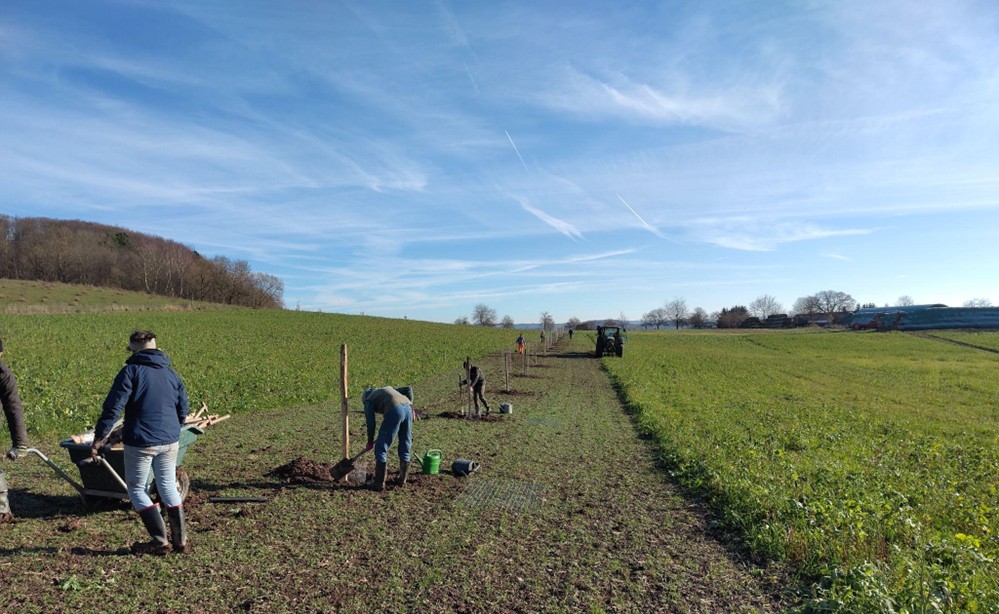
 

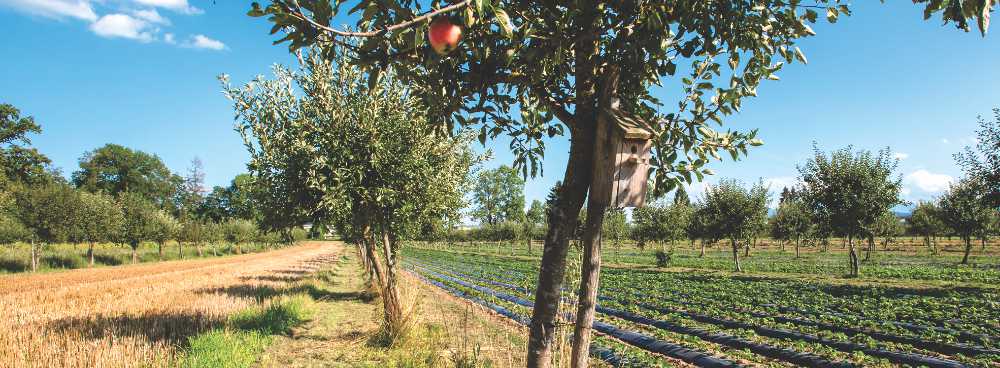
Another exciting topic: Food. Most people love good food. But to produce it, we need healthy, fertile soils—rich in nutrients and teeming with life. Soils that can absorb water and withstand droughts. With a growing population and diverse interests, we must use and manage our land thoughtfully and responsibly. Agroforestry brings many of these interests together. It supports the production of healthy food while also protecting soil, biodiversity, and even offering recreational spaces.


You might be wondering why all of this is necessary

There’s a lot of talk about rising temperatures. Some of the discussion might sound abstract and even very scientific. But perhaps some of the following everyday examples feel familiar to you?
daniel-schlegel-umweltstiftung-spielplatz

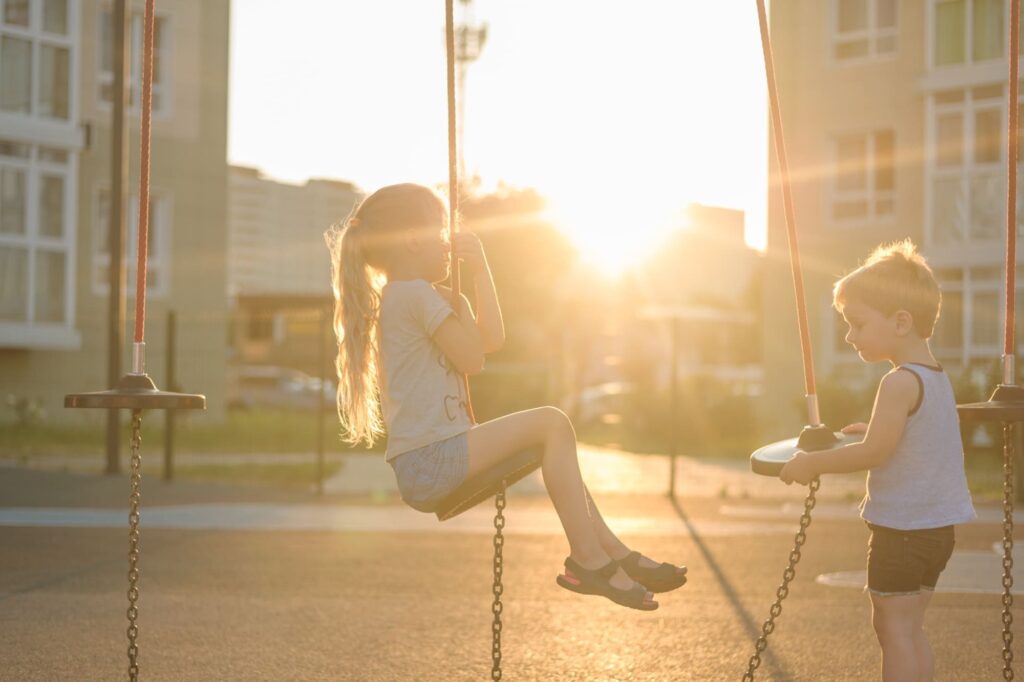
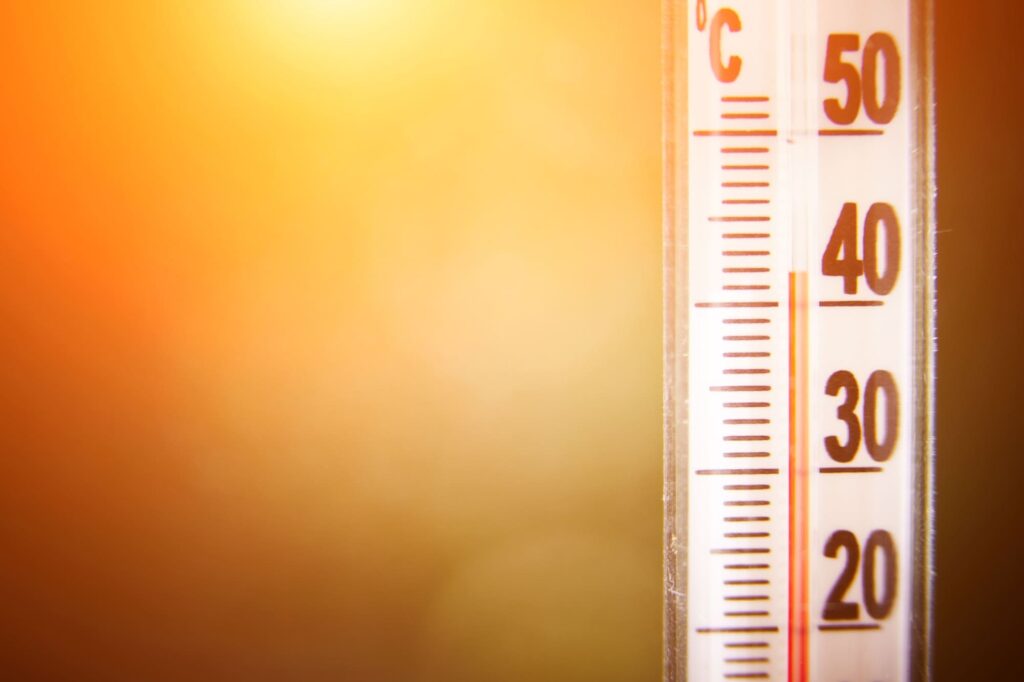
In summer, the heat is intense in your city, the sun beats down on the asphalt, and there is no shade. Children play in the playground in the blazing sun at 35°C because there are no trees.

daniel-schlegel-umweltstiftung-temparatur

A road worker or roofer collapses in the midday heat. In the afternoon, in your heated office, your concentration is at rock bottom and your brain just won’t work properly anymore.

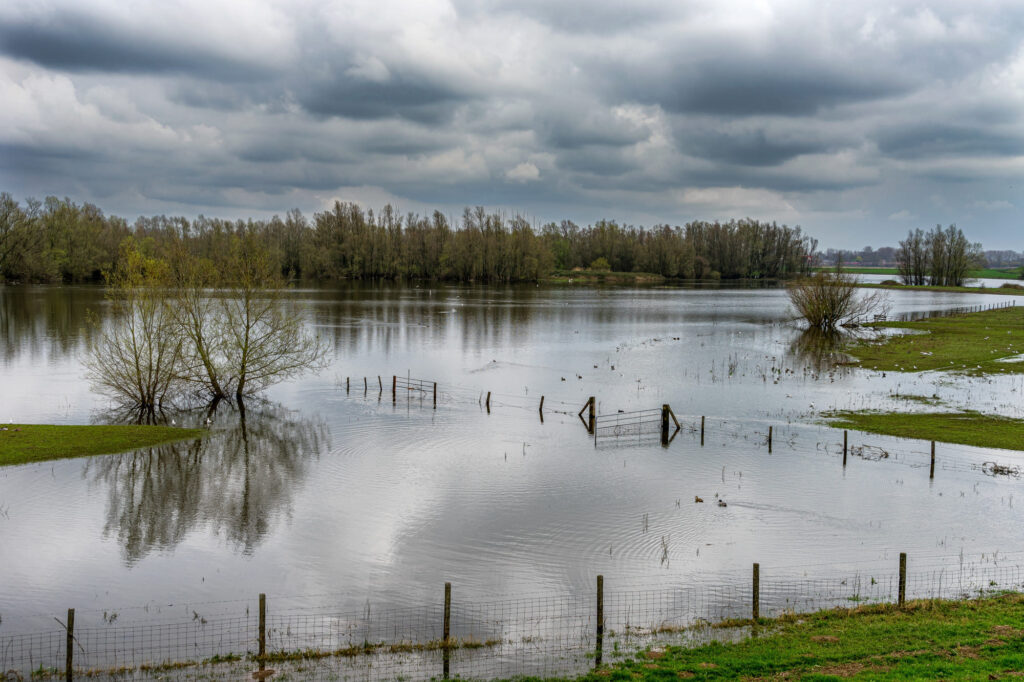
daniel-schlegel-umweltstiftung-starker-regen

Heavy rain washed away half of the field on the neighboring farm.

daniel-schlegel-umweltstiftung-wasserverbrauch

Water consumption is being restricted throughout the district, and cars may not be washed.

These scenarios are already part of our lives. They affect very different realities, but they all have an impact on our health.

Now it is a matter of adapting to the changed conditions while avoiding any further rise in temperature. We are not above nature, and when extreme weather events hit us, we can usually only stand by and watch. The result is dramatic personal tragedies and enormous economic damage.

Thanks to the financial support of the Daniel Schlegel Umweltstiftung in the amount of €20,000, 620 new trees, palms and vines were planted in 2023 and 1088 annual trees and shrubs were taken care of.
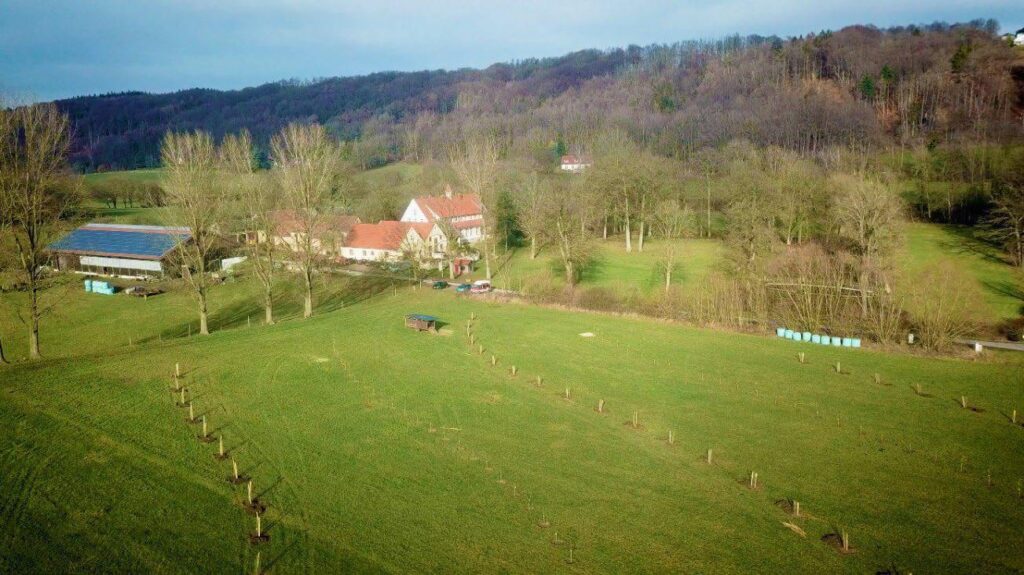
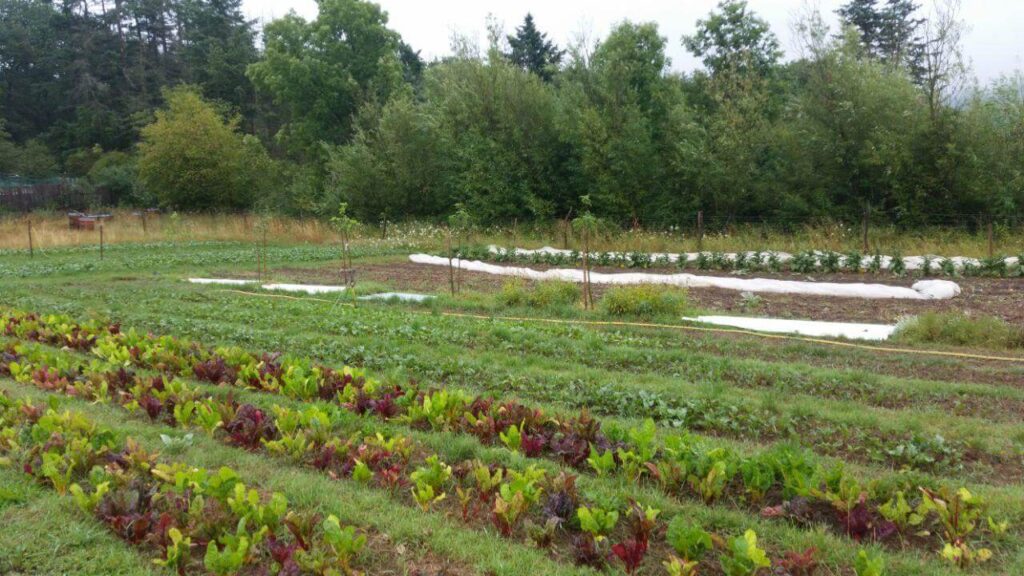
The Bioland-certified farm cultivates 30 hectares of arable land and grassland and keeps laying hens, goats, a few young cattle and bee colonies.
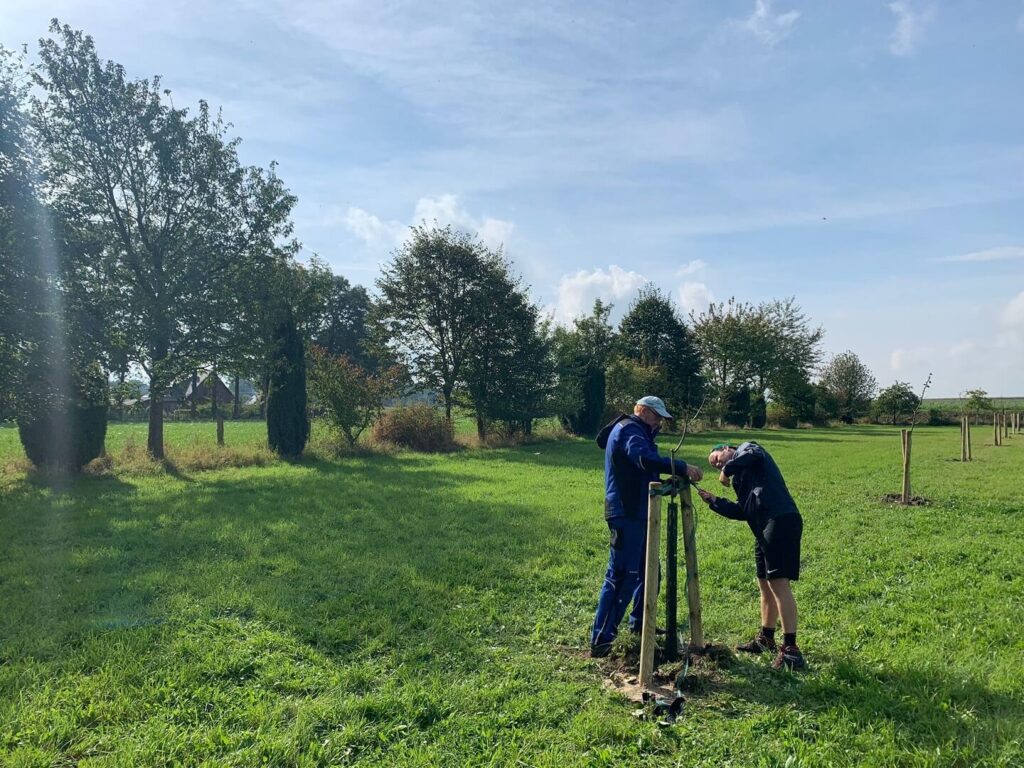
With the support of the Daniel Schlegel Umweltstiftung, around 500 additional trees could be planted in February 2023 to complement the existing system.
Future Projects
Future Projects
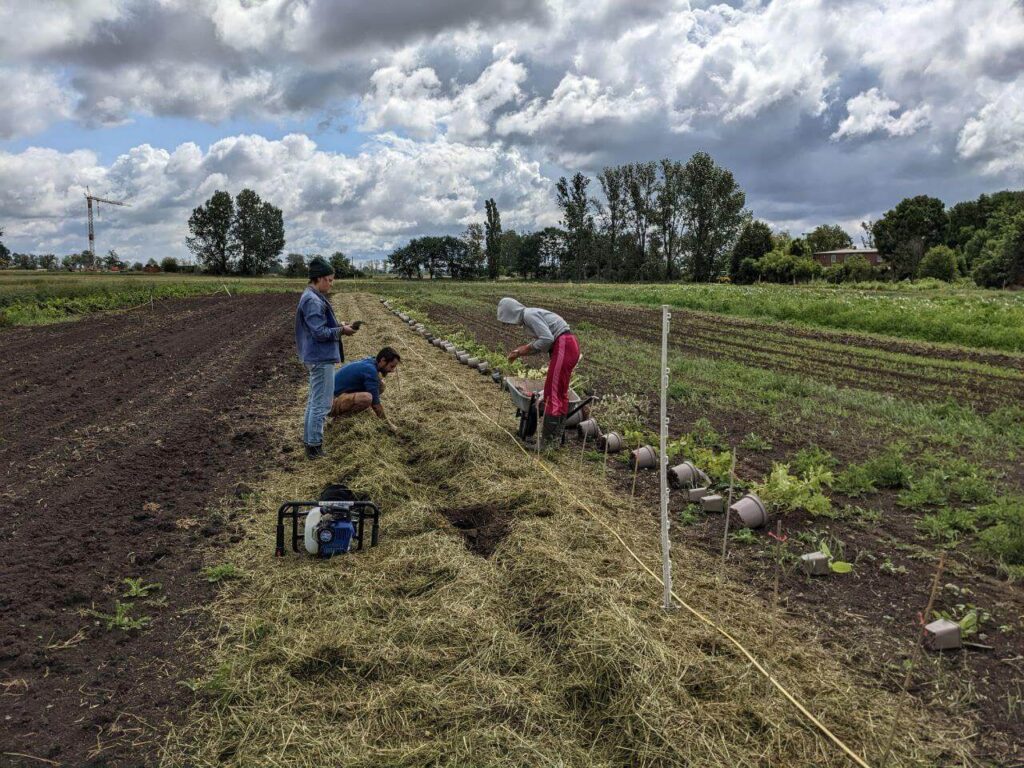
The farm is an organic vegetable farm in Großwoltersdorf in the northern Havelland area. Vegetables, herbs and fruit are grown organically on three hectares of leased land.
Glashüpfer e.V. is the owner of a market garden site in Oberweimar near Marburg.
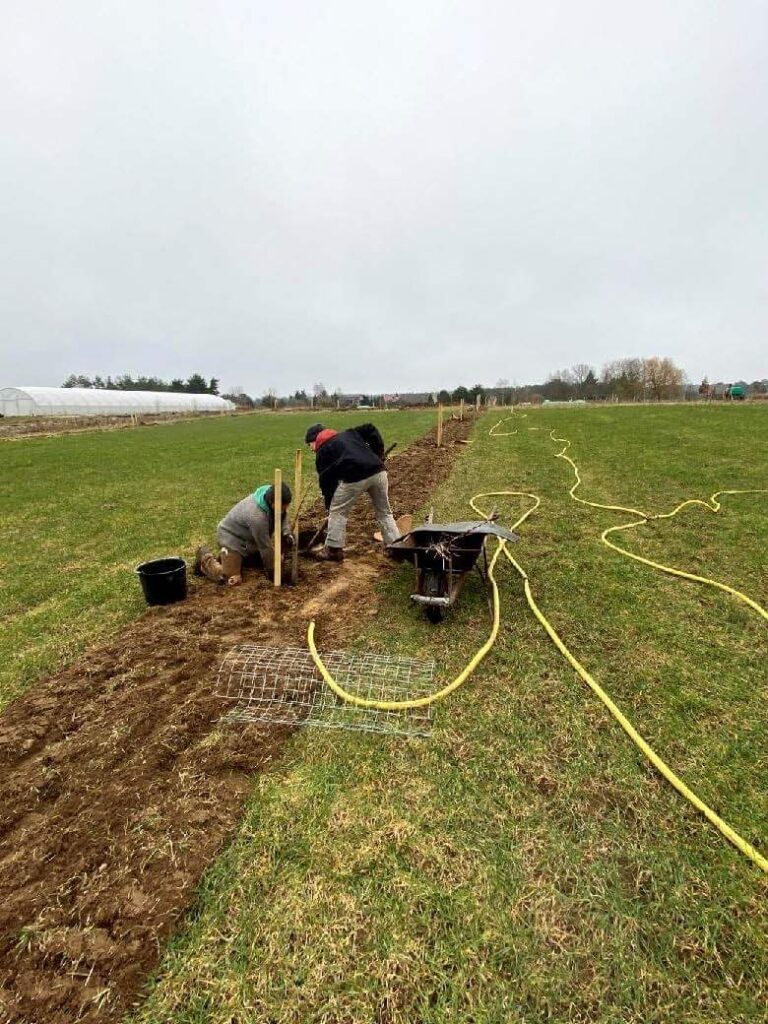
Since the autumn of 2022, the foundation has been supporting the Basta Farm with funding for the establishment and maintenance of an agroforestry system.
Future Projects
Future Projects
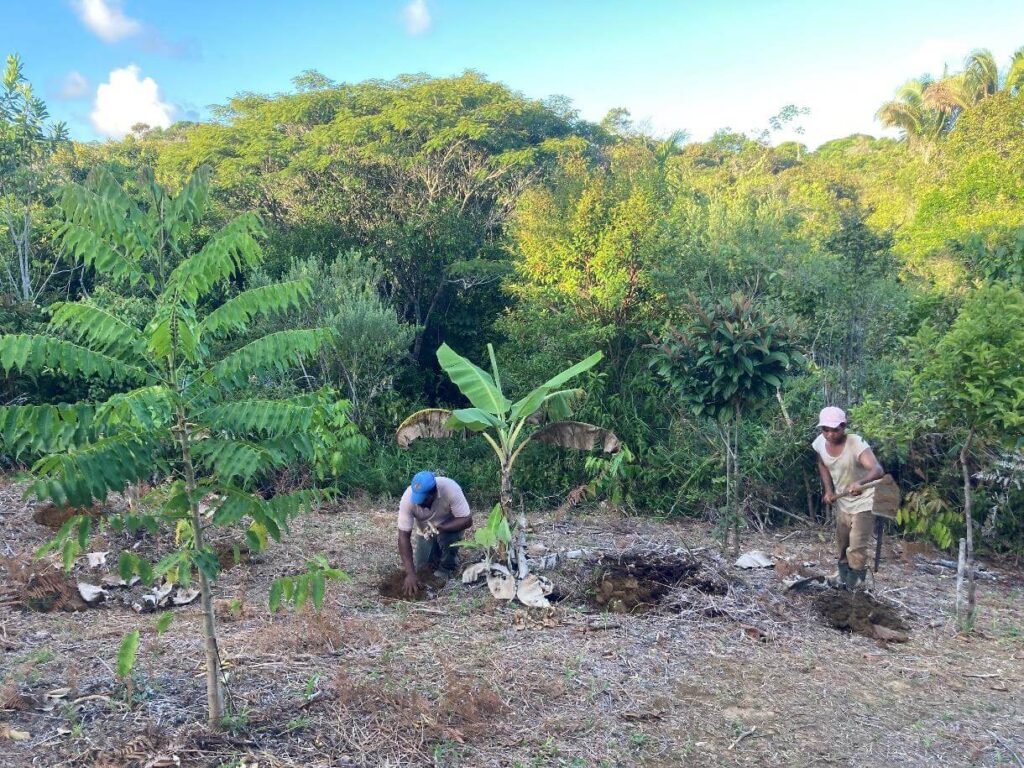
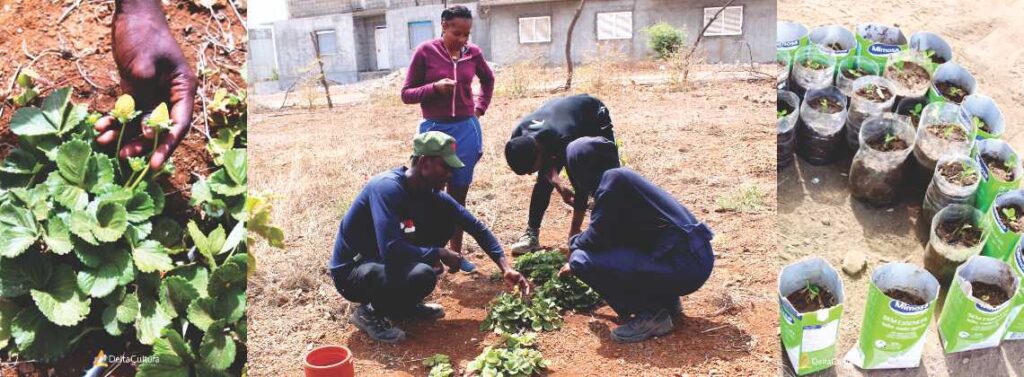
On the Cape Verdean island of Santiago, in the northern part of the city of Tarrafal, lies the Delta Cultura education and leisure centre, which was founded in 2002 by Florian Wegenstein and his wife Marisa.
Agriculture and climate are closely intertwined. On the one hand, food crops are suffering dramatically from the effects of climate change.
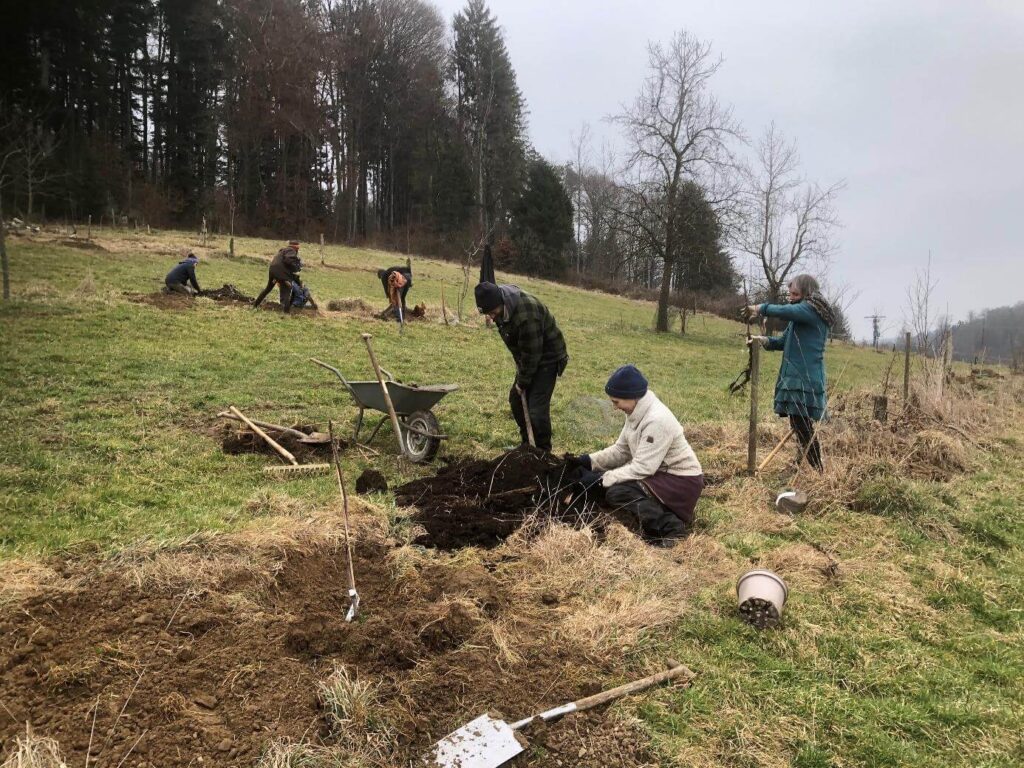
A former farmland in the region around Alfhausen in Lower Saxony is now 20 trees richer. To achieve this, we joined forces with friends and planted the old fruit varieties ourselves.
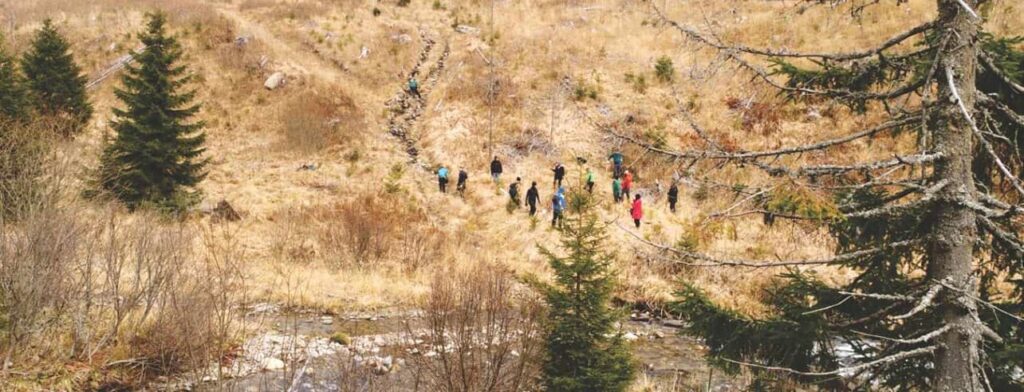
Romania is home to Europe’s last virgin forests. However, illegal logging has reached enormous dimensions in recent decades. For many years, the local organisation Agent Green has been fighting for the reforestation and preservation of the forests.
Scroll to Top